With the release of numerous Star Wars films, TV series, and other media in a relatively short span, there’s a concern that the franchise might be suffering from “franchise fatigue.”
Love it or hate it, it seems widely accepted among fans and critics alike that the Starwars franchise has been steadily going downhill within the last decade, with some notable exceptions in the form of Disney original series, The filmography has come off as lack-luster, pandering, or even forced at times. No pun Intended.
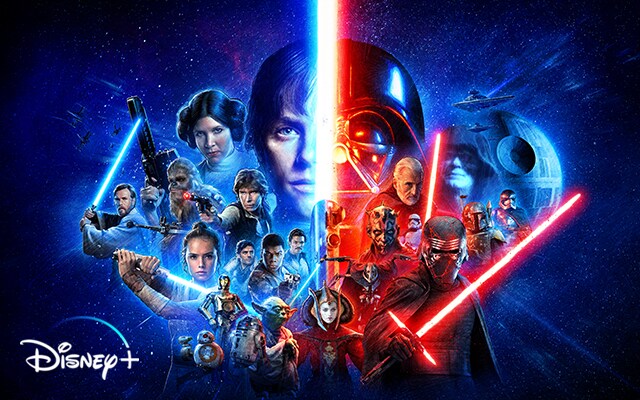
Some fans argue that the newer films, especially those in the sequel trilogy (Episodes VII-IX), deviate from the original vision set by George Lucas in the original trilogy. Changes in tone, storytelling choices, and character arcs have sparked debates among fans about the direction of the series. The original Star Wars trilogy created by George Lucas holds a special place in cinematic history, and the continued expansion of the franchise may dilute its legacy. They fear that new movies might not live up to the iconic status of the originals. With the release of numerous Star Wars films, TV series, and other media in a relatively short span, there’s a concern that the franchise might be suffering from “franchise fatigue.” This refers to a saturation of content that can dilute the impact of each installment. This could potentially lead to a decrease in the overall quality of content and could exhaust the interest of fans. he expanded Star Wars universe, consisting of movies, TV series, books, and comics, has established a complex canon. Opinions on the quality of individual films within the franchise vary. While some fans appreciate the newer additions, others feel that the quality has been inconsistent, leading to a perception of decline.Some argue that the introduction of new films can create challenges in maintaining consistency and coherence within the established canon. The way legacy characters, such as Luke Skywalker, Han Solo, and Princess Leia, were portrayed in the sequel trilogy has been a point of contention. Some fans were dissatisfied with the character arcs and felt that these beloved figures were not given the treatment they deserved. Star Wars has an immense and passionate fanbase, and expectations for new content are often very high. Meeting these expectations can be challenging, and any deviation from what fans envision for the series can lead to disappointment. The sequel trilogy, in particular, has received mixed reviews from fans and critics. Detractors argue that the negative reception is an indication that the franchise might be better off without further cinematic additions. Some believe that Disney should shift its focus from movies to other mediums, such as animated series, novels, and comics. This could allow for more exploration of the Star Wars universe without the pressure of living up to the expectations associated with big-budget films.
t’s important to note that these arguments do not represent the views of all Star Wars fans, and many appreciate the new content that Disney has introduced to the franchise. Disney has taken steps to diversify the types of Star Wars content produced, including TV series like “The Mandalorian,” which has been well-received.
Ultimately, the decision to continue or halt new Star Wars movies is up to Disney and the creators involved, taking into account the preferences and expectations of the fanbase. The franchise’s future may involve finding a balance between expanding the universe and respecting the elements that have made Star Wars a cultural phenomenon.