Fallout: Texas?

While New Orleans and a return to Nevada have been heavily favored for the next fallout location, The best answer might have been right in front of our faces the entire time.

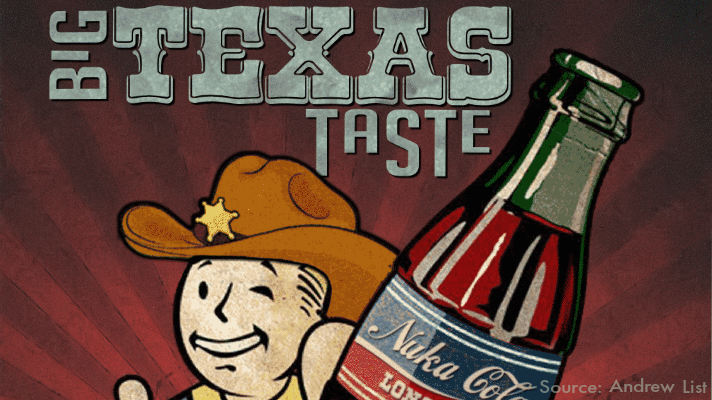
Since its inception, the Fallout series has transported players to post-apocalyptic landscapes ripe with adventure, danger, and intrigue. From the desolate wastelands of California to the urban ruins of Washington D.C., each installment has offered a unique setting teeming with stories to uncover. As fans eagerly anticipate the next chapter in this beloved franchise, one question looms large: Where will the next Fallout game take place? Among the myriad of potential locations, there’s one standout candidate deserving of exploration: the Lone Star State itself, Texas. Texas boasts a diverse landscape that can provide players with varied environments to explore. From sprawling deserts to dense pine forests, from bustling cities to isolated towns, Texas offers a wealth of settings ripe for post-apocalyptic storytelling. The contrast between urban decay and rural wilderness could create a rich tapestry of locales for players to traverse.

Texas is steeped in history and culture, offering a unique backdrop for storytelling. Its iconic imagery, from cowboy culture to oil fields, could be seamlessly integrated into the Fallout universe, providing a fresh aesthetic for players to immerse themselves in. The fusion of Texas lore with Fallout’s retro-futuristic style could yield a compelling and distinctive setting. With a storied past, including its own struggles and conflicts, which could serve as fertile ground for narrative exploration. From the days of the Wild West to its role in the oil industry, Texas has experienced moments of triumph and tragedy that could be reimagined in the Fallout universe. Delving into the state’s history could provide players with a deeper understanding of the world they inhabit.

No discussion of Texas would be complete without mentioning the Alamo, one of the state’s most iconic landmarks. This historic site holds immense cultural significance, symbolizing resilience and sacrifice. In a post-apocalyptic Texas, the Alamo could serve as a central hub or pivotal location within the game world.

Imagine the crumbling walls of the Alamo fortified by survivors, its grounds transformed into a bustling settlement teeming with activity. Players could interact with a diverse cast of characters, each with their own stories and motivations. The Alamo’s historical significance could be woven into the game’s narrative, offering players quests and challenges that pay homage to its storied past.

Furthermore, the Alamo’s strategic location could make it a sought-after prize for rival factions vying for control of the region. Players may find themselves drawn into conflicts over the Alamo, forced to defend it from raiders or make difficult decisions that shape its fate. The juxtaposition of the Alamo’s historical legacy with the harsh realities of the post-apocalyptic world could provide a compelling backdrop for the game’s storyline.

Whether it’s delving into the Alamo’s underground tunnels in search of lost artifacts or uncovering the truth behind the myths that surround it, the Alamo could provide players with countless hours of adventure and intrigue. Its status as a cultural touchstone would make it a memorable and impactful location within the game, leaving a lasting impression on players long after they’ve moved on to other quests.

Incorporating the Alamo into the next Fallout game would not only pay homage to Texas history but also add depth and richness to the game world. It would provide players with a captivating setting to explore, complete with its own unique challenges and mysteries. From its iconic architecture to its legendary status, the Alamo has the potential to elevate the next Fallout game to new heights, ensuring that the Lone Star State leaves an indelible mark on the franchise’s legacy.

While other locations within the Fallout universe have been explored in previous games, Texas remains largely uncharted territory. This presents an exciting opportunity for developers to introduce new lore, creatures, and gameplay mechanics unique to the region. By venturing into unfamiliar territory, the next Fallout game can captivate players with fresh discoveries and surprises around every corner.

Texas represents a compelling setting for the next installment in the Fallout series. Its diverse terrain, cultural significance, rich history, and untapped potential offer developers a wealth of opportunities to craft an unforgettable gaming experience. As fans eagerly await news of the next Fallout game, the prospect of exploring the wastelands of Texas is sure to ignite excitement and anticipation. So saddle up, wasteland wanderers, because the Lone Star State awaits your adventure.
Pulling the plug on Star Wars

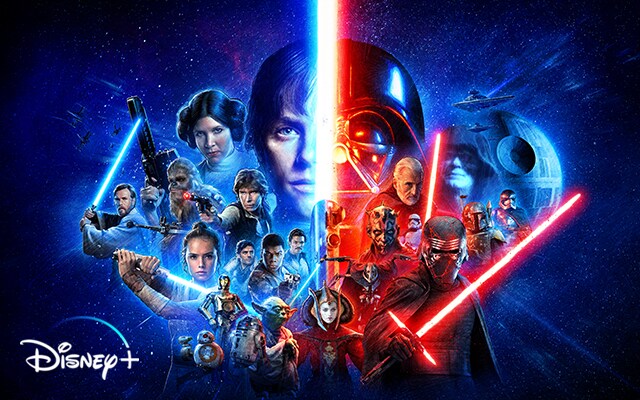
With the release of numerous Star Wars films, TV series, and other media in a relatively short span, there’s a concern that the franchise might be suffering from “franchise fatigue.”

Love it or hate it, it seems widely accepted among fans and critics alike that the Starwars franchise has been steadily going downhill within the last decade, with some notable exceptions in the form of Disney original series, The filmography has come off as lack-luster, pandering, or even forced at times. No pun Intended.

Some fans argue that the newer films, especially those in the sequel trilogy (Episodes VII-IX), deviate from the original vision set by George Lucas in the original trilogy. Changes in tone, storytelling choices, and character arcs have sparked debates among fans about the direction of the series. The original Star Wars trilogy created by George Lucas holds a special place in cinematic history, and the continued expansion of the franchise may dilute its legacy. They fear that new movies might not live up to the iconic status of the originals. With the release of numerous Star Wars films, TV series, and other media in a relatively short span, there’s a concern that the franchise might be suffering from “franchise fatigue.” This refers to a saturation of content that can dilute the impact of each installment. This could potentially lead to a decrease in the overall quality of content and could exhaust the interest of fans. he expanded Star Wars universe, consisting of movies, TV series, books, and comics, has established a complex canon. Opinions on the quality of individual films within the franchise vary. While some fans appreciate the newer additions, others feel that the quality has been inconsistent, leading to a perception of decline.Some argue that the introduction of new films can create challenges in maintaining consistency and coherence within the established canon. The way legacy characters, such as Luke Skywalker, Han Solo, and Princess Leia, were portrayed in the sequel trilogy has been a point of contention. Some fans were dissatisfied with the character arcs and felt that these beloved figures were not given the treatment they deserved. Star Wars has an immense and passionate fanbase, and expectations for new content are often very high. Meeting these expectations can be challenging, and any deviation from what fans envision for the series can lead to disappointment. The sequel trilogy, in particular, has received mixed reviews from fans and critics. Detractors argue that the negative reception is an indication that the franchise might be better off without further cinematic additions. Some believe that Disney should shift its focus from movies to other mediums, such as animated series, novels, and comics. This could allow for more exploration of the Star Wars universe without the pressure of living up to the expectations associated with big-budget films.

t’s important to note that these arguments do not represent the views of all Star Wars fans, and many appreciate the new content that Disney has introduced to the franchise. Disney has taken steps to diversify the types of Star Wars content produced, including TV series like “The Mandalorian,” which has been well-received.

Ultimately, the decision to continue or halt new Star Wars movies is up to Disney and the creators involved, taking into account the preferences and expectations of the fanbase. The franchise’s future may involve finding a balance between expanding the universe and respecting the elements that have made Star Wars a cultural phenomenon.

Mormons: Religion or Cult?

Seemingly of all the religious sects, One has been on the cult borderline more so than not.

Distinguishing between a cult and a religion is not always straightforward, and it can be a complex and contentious matter. The classification of a group as a cult or a religion often depends on perspective, context, and the criteria applied. Generally, several factors can help differentiate the two, but it’s important to note that these factors are not universally agreed upon, and there can be exceptions. Here are some distinctions that are commonly considered:

Belief System: Religions typically have established, widely accepted belief systems and doctrines that are often based on ancient scriptures or traditions. Cults, on the other hand, may have novel or unorthodox beliefs that deviate significantly from mainstream religious teachings.

Leadership Structure: Religions tend to have hierarchical leadership structures with established clergy and religious authorities. In contrast, cults may have a more centralized, authoritarian leadership structure that places significant power in the hands of a single leader or a small group of leaders.

Size and Influence: Religions are usually larger and more influential in terms of membership, history, and societal impact. Cults tend to be smaller, more insular, and less established within society.

Transparency: Religions tend to be more transparent in their beliefs and practices, making their teachings and rituals available to the public. Some cults may maintain secrecy and restrict access to their teachings and practices.

Social Integration: Religions are typically integrated into society, often with places of worship, established rituals, and a presence in communities. Cults may isolate their members from mainstream society or discourage interaction with non-members.

Longevity: Religions tend to have a longer history, often spanning centuries or even millennia. Cults are often newer and may be founded by a charismatic leader or in response to a specific event or idea.

Control and Coercion: Cults may exert tight control over their members, dictating aspects of their lives, including relationships, finances, and personal choices. This control can be less pronounced or nonexistent in established religions.

Purpose: Cults may often be perceived as having a primarily self-serving or exploitative purpose, such as financial gain or the gratification of the leader’s desires, while religions often have broader spiritual, moral, or social goals.

It’s important to approach this topic with sensitivity and an awareness that the term “cult” can carry a pejorative connotation. Labeling a group as a cult can be stigmatizing, and it may be more productive to engage in objective analysis of a group’s beliefs, practices, and impact on its members and society.

The perception that some people think Mormons are a cult stems from a combination of factors, including misunderstandings, historical context, and theological differences. It’s important to note that such views are not universally held, and many people do not consider Mormons (members of The Church of Jesus Christ of Latter-day Saints, or LDS Church) to be a cult.

Here are some reasons why some individuals might view Mormons as a cult:

Unconventional Beliefs: The LDS Church has unique beliefs and practices that differ from mainstream Christianity. These include beliefs in additional sacred texts like the Book of Mormon, the Doctrine and Covenants, and the Pearl of Great Price, as well as distinct doctrines about the nature of God, the pre-existence of souls, and the potential for human deification. Some people may label these beliefs as unorthodox or cult-like because they deviate from traditional Christian teachings.

Secrecy: The LDS Church has historically been perceived as secretive, with certain rituals and ceremonies, such as temple ordinances, being kept confidential from non-members. This secrecy can lead some outsiders to view the church with suspicion, associating it with cult-like practices.

Isolation: Historically, some Mormon communities practiced a form of isolationism, particularly during the early years of the church’s history. This isolationism, combined with communal living arrangements like those in Utah’s early settlements, contributed to the perception of a close-knit, secretive group that some labeled as a cult.

Historical Persecution: The early history of the LDS Church is marked by persecution and suspicion, especially during the 19th century in the United States. The church’s founder, Joseph Smith, was killed by a mob, and Mormons faced violence and discrimination in various places. This persecution may have contributed to the negative perception of the church.

Terminology: The use of certain terms and titles within the LDS Church, such as “prophet” and “apostle,” which have specific meanings within Mormonism, can seem unusual or cult-like to outsiders unfamiliar with Mormon theology.

Furthermore, religious freedom and the right to practice one’s beliefs are fundamental principles in many societies, so it’s crucial to respect the rights of individuals to choose their religious affiliations, even if those affiliations differ from mainstream beliefs.

Should Fallout: New Vegas be Remastered?

Is a remaster worth it for this beloved Fallout Title?

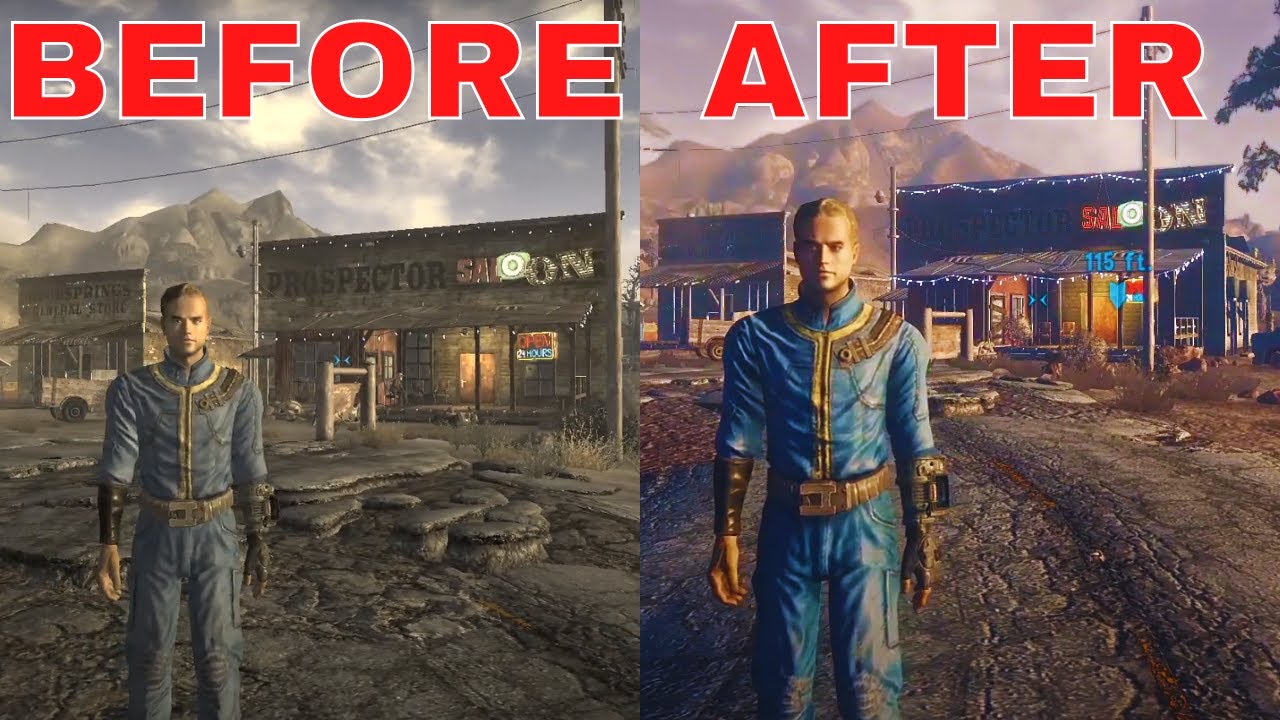
While a remaster typically involves enhancing the game’s visuals, and performance, and perhaps making some quality-of-life improvements, it doesn’t typically involve significant changes to gameplay or story elements.

Remastering Fallout: New Vegas could be appealing to fans of the game who wish to experience it with updated graphics and improved performance on modern hardware. A remaster could enhance the game’s visuals, increase the resolution, improve textures, and potentially add support for higher frame rates or other technical enhancements. This could make the game more visually appealing and immersive for both returning players and newcomers.

The original game had some technical limitations and performance issues, especially on certain platforms. A remaster could optimize the game’s performance, potentially reducing bugs, improving frame rates, and providing a smoother gameplay experience. As technology advances, older games may struggle to run on newer hardware and operating systems. Remastering Fallout: New Vegas would ensure compatibility with modern systems, allowing players to easily enjoy the game without the need for workarounds or compatibility fixes.

New Vegas has a strong fan base and is considered by many to be a classic within the series. Remastering the game would help preserve it for future generations, allowing new players to experience the game in a polished and updated form. A remaster could attract new players who might have missed the game’s initial release or were deterred by technical limitations. By updating the visuals and performance, a remastered version might generate renewed interest and introduce the game to a wider audience.

It’s worth mentioning that a remaster doesn’t fundamentally change the content or mechanics of the game. So, if you’re looking for significant gameplay changes or new story content, a remaster might not fulfill those expectations that a sequel or even prequel might.

Ultimately, the decision to remaster Fallout: New Vegas would rest with the rights holders and developers, taking into account factors such as the demand from the player base, the costs and resources required, and their overall vision for the franchise. Bethesda working on a New Vegas remaster might also take time and resources away from developing the next chronological installment of the game which would definitely divide the opinions of the fanbase. Is the tradeoff worthwhile? Would you be in favor of a Fallout New Vegas remaster?

Style and Lyle Davenport

Superhero Movie Fatigue: Multiverse Overload?

The world of cinema has been dominated by a seemingly endless influx of superhero movies.

In recent years, the world of cinema has been dominated by a seemingly endless influx of superhero movies. While these films have undoubtedly enthralled audiences with their larger-than-life characters and spectacular action sequences, there is growing concern that the proliferation of superhero movies revolving around the multiverse theory is starting to wear thin. This article will explore the possibility of people becoming fatigued by the overwhelming number of superhero movies delving into the multiverse, examining both the reasons behind this fatigue and the potential consequences it might have for the genre.

The Multiverse Invasion

The concept of the multiverse, a hypothetical collection of parallel universes, has become a recurring theme in superhero movies. Marvel Studios, in particular, has embraced this concept wholeheartedly, with films like “Spider-Man: Into the Spider-Verse” and the highly anticipated “Doctor Strange in the Multiverse of Madness” exploring the infinite possibilities of different dimensions. While the initial exploration of the multiverse was refreshing and exciting, the frequency of its use in superhero films has become overwhelming.

Reasons for Fatigue

  1. Lack of Originality: One of the primary reasons for superhero movie fatigue is the perceived lack of originality. The multiverse has been used as a convenient plot device to introduce new versions of beloved characters or to resurrect old ones. This reliance on the multiverse as a narrative crutch often results in repetitive storylines and predictable character arcs. Audiences yearn for fresh and innovative storytelling, rather than recycled tropes.
  2. Oversaturation: The oversaturation of superhero movies, particularly those centered on the multiverse, has contributed to a sense of fatigue. It seems that every major studio wants to cash in on the superhero trend, flooding the market with an endless stream of similar films. This constant bombardment can lead to audience apathy, as the excitement and anticipation for each new release diminishes over time.
  3. Loss of Emotional Stakes: Another consequence of the multiverse trend is the dilution of emotional stakes. When characters can be easily replaced or alternate versions of them are introduced, it becomes increasingly difficult to invest in their struggles and triumphs. The constant revision of established storylines and character relationships erodes the emotional connection that audiences have built with these superheroes, leaving them feeling detached and unengaged.

The Future of the Genre

Superhero movies have undoubtedly left an indelible mark on popular culture, but the incessant focus on the multiverse could threaten their longevity. To avoid falling into a cycle of creative stagnation, the genre must evolve and diversify its storytelling approaches. It’s essential for filmmakers to embrace more nuanced narratives that explore different genres, themes, and character dynamics. This will not only reinvigorate the genre but also attract a wider audience beyond hardcore superhero enthusiasts.

While superhero movies have captured the imaginations of millions, the incessant exploration of the multiverse concept is beginning to wear thin. Audiences are yearning for originality, fresh narratives, and emotional investment in their favorite characters. If the genre wants to sustain its popularity and captivate audiences for years to come, it must break free from the repetitive reliance on the multiverse and embrace new storytelling approaches. The future of superhero movies lies in the hands of filmmakers who are willing to take risks, challenge conventions, and deliver innovative experiences that reignite the excitement and thrill audiences once felt.

Richard Bradly

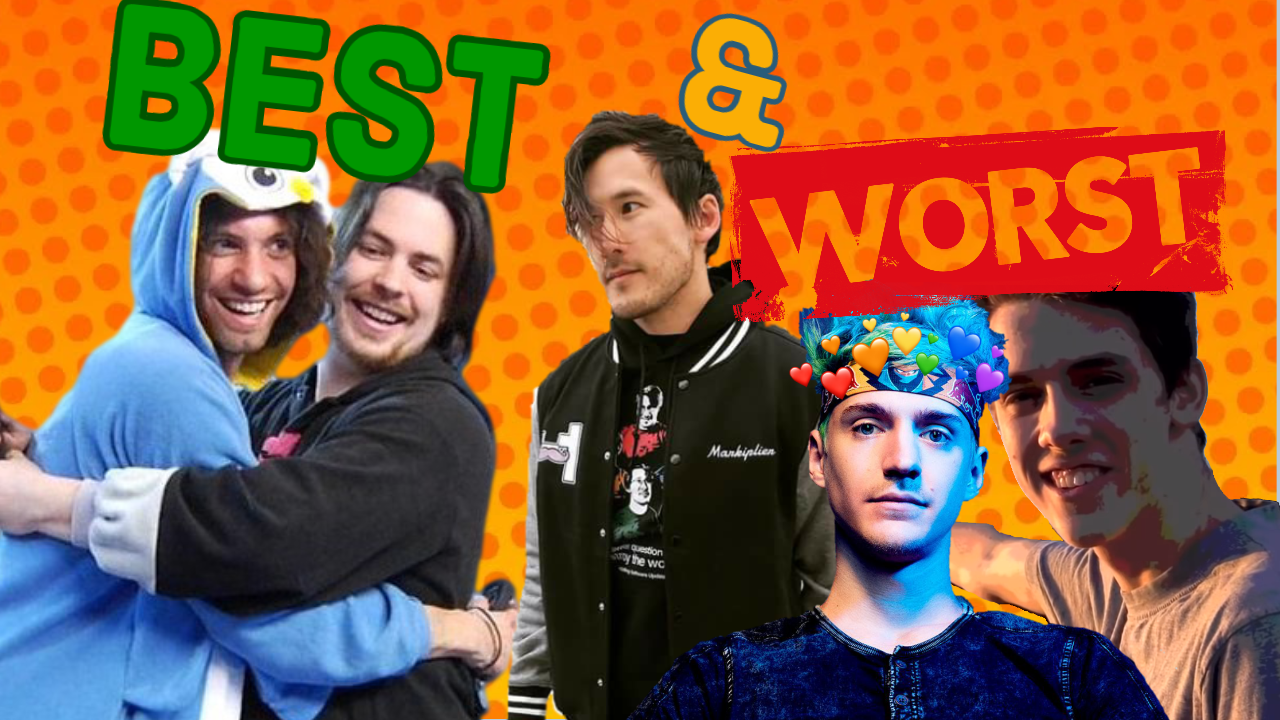
The Best and Worst Let’s Players

If 2020 has given us anything, it’s the chance to sit on our couch as our life rots away around us. You could spend this time learning a life skill or bettering yourself in different aspects of your life but instead you spend this time watching video games. The key word there being ‘watching’. In a world full of people demanding instant gratification we cannot simply be expected to play through an entire video game level by level, defeating our enemies and earning our praises. Absolutely not! Luckily for us let’s plays exist. For those who don’t frequent living victoriously through internet personalities, a let’s play is defined as “One or more people, usually from message boards, that record themselves playing video games through screenshots or captured video (Mostly the latter)” by Urban Dictionary. Just like any other job, there are people who are good at it, and those who are bad at it. Compiled below are some of the best and worst the internet has to offer!

Best

Markiplier

Starting up in May of 2012, Markiplier took to the interwebs creating gaming content the likes of which were largely unknown. Many years and many, many videos later, Mark sits comfortably among the top of the YouTube gaming community. Known for his compelling voice and over the top reactions, Markiplier has gained a following of 26.8 Million subscribers and for good reason. Mark seems to be the total package when it comes to the Let’s Play community bringing both sophisticated and sophomoric humor to his game play while more often then not still being able to buckle down and beat a series in a reasonable amount of time.

Worst

Ninja

Talk about finding your demographic and milking it for all it’s got. Rising to popularity seemingly overnight Richard Blevins, otherwise known as Ninja, gained his popularity playing the 2017 free battle royal game Fortnite. Being that this game’s primary demographic consists of children, Ninja wasted no time pumping out game play and commentary tailor fit to that demo. In this case it really is a matter of quantity over quality, I strongly urge anyone who hasn’t yet to attempt and sit through a Ninja stream, you will quickly find a lack of any verbal substance or attempt to provide comedic or thought provoking dialect. The issue comes from the fact, Fortnite being the hot new trend in the young gaining world led mainstream media to select Ninja to represent the face of the let’s play community in their narrative, not to mention he refuses to stream with anyone of the female gender. Not to take anything away from his dedication to the game, but if you have arrived at his channel seeking variety you will be very disappointed. Apart from the occasional one off, the hefty majority of Ninja’s videos are exactly what you would expect, Fortnite game play and more Fortnite game play. Stick to what you know I suppose, he seems to be doing just fine with his 24 Million subs backing him up.

Best

Game Grumps

What happens when well known comedy content creator JonTron joins forces with fellow NewGrounds.com OG creator Egoraptor, pure gold. While Arin and Jon began tearing up the YouTube community with their brash and bold comedy game play back in 2012, it was not until Jon’s departure and replacement with Dan Avidan the following year the channel really began to take off. Involving two genuinely funny and creative individuals, Game Grumps tick all the boxes. Providing compelling game play including some of the most abstract and anticipated games of all time partnered with over the top situational and relatable comedy, The Grumps take let’s plays to the next level. Never afraid to expand or try new things for their community Game Grumps have previously expanded their content to involve a series for Steam based games as well as multiplayer arcade style party games. In more recent times, The Game Grumps have capitalized on their Guest Grumps series involving some truly iconic celebrities and comedians, as well as launching a weekly live action show entitled simply, The Grumps.

Best

SuperMega

Friends of and former co-workers of the Game Grumps, Matt and Ryan provide their own unique game play experience. If you are a long time fan of The Grumps who fears that they have lost their crude edge over the years SuperMega may be just the place for you. Never afraid to push a few boundaries or do what ever it takes to commit to the joke, Matt and Ryan go the extra mile to provide quality and humorous content for their viewers. Banking not only on their killer comedic timing but their bold and abrupt editing style, their simple videos always seem to be comedy gold. In addition to their Let’s Plays, SuperMega also provides their viewers with a weekly podcast as well as frequent live action sketches.

Worst

ProJared

What can best be described as a boring video game reviewer to begin with, ProJared doubled down when he decided to do the same on his personal life. Jared’s videos have always been vanilla, using the absolute bare bones approach to game review as well as let’s plays. He did his research and presented you with his findings but if you are tuning in for his witty commentary or comedic timing prepare for it to fall short. A relativity mediocre gaming channel at most suffered the end all be all when in 2019 Jared was accused of cheating on his then wife while also soliciting nude photographs to his fan base. This marked the end of ProJared, while he may still produce his watered down content, his channel will never recover.

These are just a few of the highs and lows in the Let’s Play community and I would love to hear who you think the best and worst Let’s Players are below!

-Style