WSRR: Now Spinning On The Star

Showcase for the latest additions to WSRR (September 2026)

Voice-Over Austin

Here we are, the end of the summer, beginning of my personal favorite time of the year: Fall.

And what better way to kick off this new season than showcasing a bunch of new music by such gifted local & independent artists! Let’s get right into these fantastic tracks, shall we?

Andrew Slater

Just as the title suggests, “A Song For The Good Old Days” by Andrew Slater does a fantastic job of capturing a deep sense of nostalgia. It’s especially apparent in Andrew’s vocals. You can definitely hear a melancholy in his voice. But even with that raw emotion, the production is incredibly clean, and every single layer of the track sounds perfectly crisp.

Writings/On The Wall

The Daze

We’ve got a bit of a two-fer here! I’ve always been a sucker for tracks the seamlessly blend into one another, and The Daze nails it with this pairing. “Writings” sets the mood perfectly, featuring a dreamy, wavy sound that eventually melts right into the much faster, full-band energy of “On The Wall.” Once it kicks in, this second track keeps you on your toes with blending and shifting instrumentals and stretched, harmonized vocals.

Eventide

Spirit Oh Spirit

“Eventide” by Spirit Oh Spirit feature a positively uplifting sound with the lyrics to match. I’ll admit that after just one listen, I had the melody completely stuck in my head. In fact, I’ve found myself humming along to it at work several times since.

Faster Now

Silvis

If you’re a fan of the specific brand on indie rock that hit the scene back in the early 2010s, funky, poppy bass riffs, or 80’s synth, “Faster Now” by Silvis is going to be exactly your cup of tea. As choosy as I can be within my eclectic taste in music, this track has easily earned a secure spot in my rotation. Honestly, it sounds like it would fit right in when tuning in to Radio Mirror Park while driving top speed down the Great Ocean Highway right after sticky-bombing a traffic jam in Grand Theft Auto V.

Thief

Modern Medicine

I hate to be cliché, but every single bit of “Thief” by Modern Medicine absolutely ROCKS! (And it rocks my inner emo even harder.) The band perfectly channels that classic pop-punk/post-hardcore sound, delivering solid lyrics and stays consistently heavy in all the right places.

Answer The Call

Rellick

“Answer The Call” by Rellick has such a great atmosphere right off rip. It features some incredibly funk instrumentation pretty much throughout the whole track, but I’m especially digging the bass on this one. All of that groove eventually builds up to a really satisfying, ramped-up breakdown that completely delivers on every listen.

Lemongrass

Lemongrass

Driven by a wonderfully twangy, ringing acoustic guitar that sets a perfect tone, the self-titled “Lemongrass” is a pleasantly dreamy, yet steadily upbeat track. What really elevates it, though, are Taylor and Sam’s voices, which harmonize beautifully from start to finish.

Baja Blast

Midday Mayday

“Baja Blast” by Midday Mayday screams classic punk in the best way possible. It’s incredibly upbeat, wildly fun, and features a killer guitar solo that rips right through the rest of the track. More than anything, though, it has that perfect late-night vibe. You know, the exact kind of energy that makes you want to hang out in a Taco Bell parking lot at 1:30 AM with the WSRR crew.

WSRR 2026 Song of The Summer Contest VOTING

Which WSRR artist’s song was at the top of your summer playlist?

The WSRR Song of the Summer contest is back for 2026! You cast your nominees; now it’s time to vote! Cast your vote for the WSRR Radio Song of the Summer as chosen by YOU, the listener! Voting will run through September 13th!


Vote Below!

I’m Not Perfect – Nic Stevens

Pontiac Grand-AM – Door 6

Sorry Not Sorry – Zombie Fashion Show

It Shows – Mind Riot

I See Red – Velo City

Despite All These Things – Negative Zen

Way You Move – I’d Like To Go Home Now


*Artists who were nominated by multiple songs will be represented by the most submitted song*

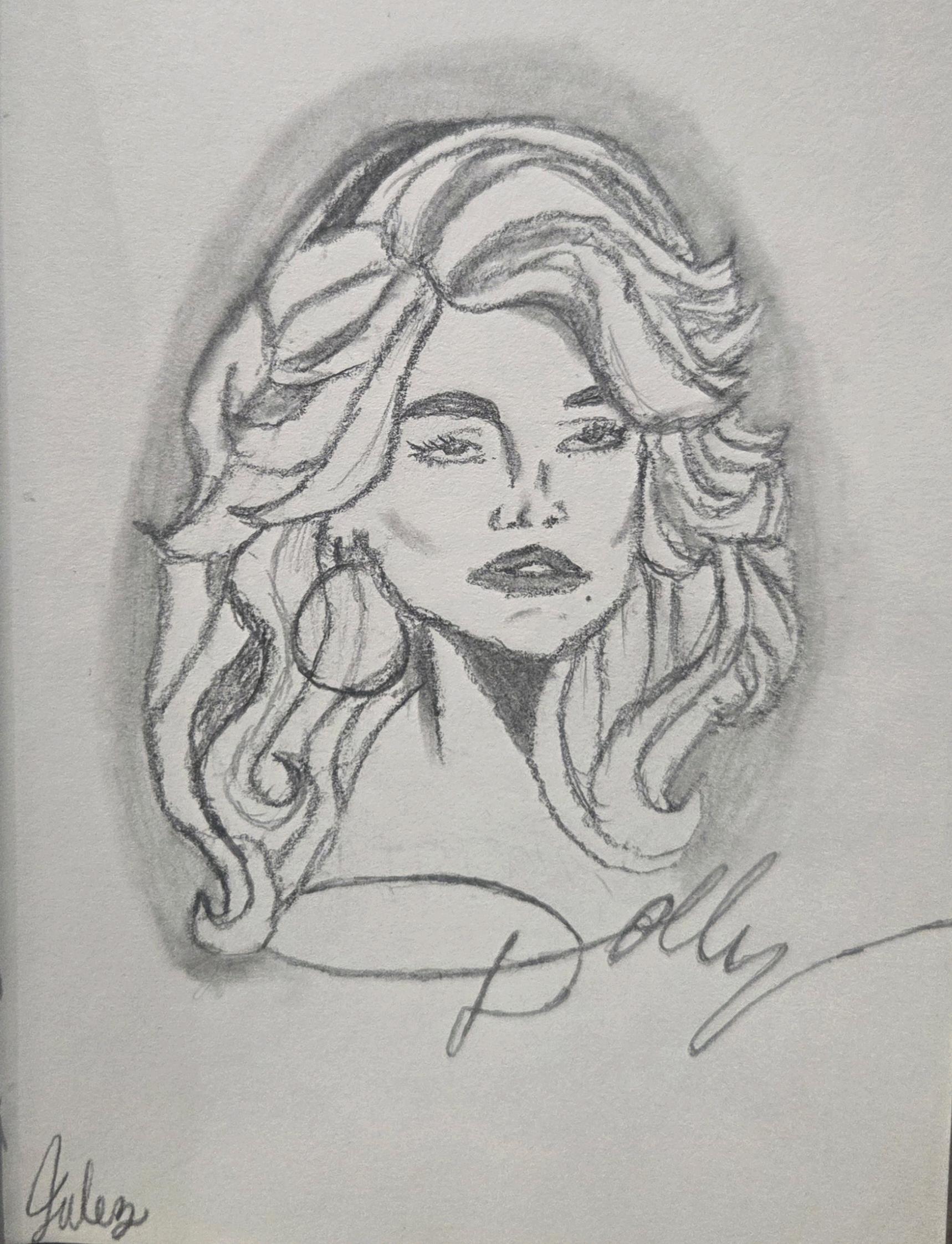
Remembering Dolly Parton

A Life of Music, Kindness and a Whole Lot of Sparkle

Dolly Parton has passed away.

Those are words I never wanted to type, but I suppose that is the bittersweet deal we make with the people who become larger than life. Even our biggest stars and brightest lights eventually leave us. And when they do, we get the privilege of remembering them, telling their stories, singing their songs and making sure all the good they put into the world doesn’t disappear with them.

And when it comes to one of our greatest and certainly one of our shiniest, Dolly Parton, I don’t think we have to worry about her being forgotten.

Dolly Rebecca Parton was born January 19, 1946, in the mountains of East Tennessee, one of 12 children raised in a small cabin in Sevier County. The Partons didn’t have much money. Dolly never tried to rewrite that part of her story once she became famous, either. She talked about it, laughed about it and wrote about it.

What her family lacked in money, they made up for in faith, music, storytelling and love. Those things followed Dolly for the rest of her life.

Long before the rhinestones, the towering blonde hair and the sold-out shows, there was a little girl in the Tennessee mountains with a huge dream. And boy, did she dream big.

Dolly began writing songs as a child. By 10, she was performing on local television. As a young teenager, she made her first record and appeared at the Grand Ole Opry. Then, after graduating high school in 1964, she packed her bags and headed for Nashville.

She wasn’t going there to figure out what she wanted to do.

She already knew.

Her debut album, Hello, I’m Dolly, arrived in 1967, and from there began a career that would eventually become almost impossible to sum up.

Because how exactly do you sum up Dolly Parton?

You could start with the songs.

There was the pleading desperation of “Jolene.” The childhood story woven into “Coat of Many Colors.” The working-woman frustration and fun of “9 to 5.” And then there was “I Will Always Love You.”

Dolly originally wrote the song as a goodbye to Porter Wagoner when she decided it was time to leave their professional partnership and go out on her own. Her recording went to No. 1 on the country chart twice. Years later, Whitney Houston took Dolly’s words and turned them into one of the biggest recordings in music history.

But before the huge vocals, the movie soundtrack and the worldwide phenomenon, it was simply Dolly writing about something difficult in the way Dolly knew how.

That was her gift.

She could take heartbreak, poverty, ambition, insecurity, love, faith or just the messy business of being human and turn it into a few minutes of music that made you think, Yeah. She gets it.

And millions of people felt that way.

More Than Country Music

Eventually, country music couldn’t contain Dolly Parton.

She crossed over into pop music and then Hollywood, starring in movies like 9 to 5, The Best Little Whorehouse in Texas, Steel Magnolias and Straight Talk. She became a businesswoman, an author, a theme park owner and one of the most recognizable people in the world.

She sold more than 100 million records. Twenty-five of her singles reached No. 1 on the country charts. She won Grammys, Emmys and just about every kind of honor an entertainer could hope to receive.

Generations of people who weren’t even born when “Jolene” came out still know every word.

But I’ve never thought a list of awards was the best way to explain Dolly Parton.

Because some of the most important things she did had nothing to do with a stage.

Maybe Dolly’s greatest accomplishment wasn’t everything she collected during her life.

Maybe it was everything she gave away.

The Legacy Beyond the Music

Dolly never forgot the mountains that raised her.

She established the Dollywood Foundation in 1988 with the goal of helping children in her home of Sevier County, Tennessee. One of its early projects, the Buddy Program, encouraged middle-school students to stick together and stay in school, offering money to students who followed through and graduated.

But one of Dolly’s most beautiful ideas was still to come.

Her father, Robert Lee Parton, was one of the smartest people she knew, but he never had the opportunity to learn to read and write. Dolly saw what that meant for him, and it stayed with her.

So in 1995, she started Dolly Parton’s Imagination Library.

The idea wasn’t complicated.

Give kids books.

Put a book in a child’s hands every month, starting at birth and continuing until they turn five. Give them something that’s theirs. Give them stories. Give them the chance to fall in love with reading before they ever walk into a kindergarten classroom.

It started in her home county.

Then it grew.

And grew.

Eventually, children far beyond Tennessee, and far beyond the United States, were opening their mailboxes every month to find a book addressed especially to them.

In 2018, Dolly donated the Imagination Library’s 100 millionth book to the Library of Congress.

And the books just kept coming.

There is something almost poetic about that part of her legacy.

Dolly Parton made her fortune with words. Then she spent part of that fortune making sure children could learn to read them.

A Heart as Big as Her Hair

And the books were only part of it.

Dolly gave to hospitals, children’s programs, cancer research, disaster relief and countless other causes over the years.

She helped support a hospital and cancer center in Sevierville named for Dr. Robert F. Thomas, the physician who delivered her into the world. She donated to children’s hospitals in Tennessee. When wildfires devastated the Great Smoky Mountains region in 2016, Dolly didn’t just send thoughts and prayers back home. She created the My People Fund, which put money directly into the hands of families who had lost their homes.

Then, in 2020, she donated $1 million to Vanderbilt University Medical Center for COVID-19 research, funding that helped support work connected to the Moderna vaccine.

That’s the thing about Dolly.

She never forgot where she came from.

For someone who spent her life covered in rhinestones, she had a remarkable ability to see what actually mattered.

Maybe that’s part of why people loved her in a way that went beyond simply being fans.

She was glamorous and never pretended she hadn’t grown up poor. She became enormously wealthy and successful without acting like that made her better than anybody else. She could make herself the punchline before anybody else got the chance.

She knew people saw the blonde wigs, the nails, the heels, the curves and the rhinestones.

That was fine with her.

Underneath all of it was a woman who knew exactly what she was doing.

Dolly was a brilliant songwriter, a sharp businesswoman and a remarkably generous human being. She built an image so over-the-top that nobody else could possibly pull it off, and somehow it never felt fake.

Maybe because Dolly never seemed interested in being anyone other than Dolly.

I Will Always Love You

On August 25, 2026, Dolly Parton died at the age of 80.

And somehow, even at 80, it feels too soon.

It feels strange putting an ending on the story of someone who seemed like she would simply always be here.

For decades, Dolly was just… there.

She was on country radio. She was in movies. She was at Dollywood. She was at award shows, usually delivering one of the funniest lines of the night. She was on Christmas albums and television specials. She was there when communities needed help.

And every month, she was there in the mailbox of some little kid waiting for a new book.

The wonderful thing is, she’s still going to be there.

Tomorrow, somebody will hear “Jolene” for the first time.

Somebody will watch 9 to 5.

Some little girl will hear “Coat of Many Colors” and recognize something from her own family in Dolly’s.

Somebody will absolutely belt Whitney Houston’s version of “I Will Always Love You” in their car without knowing that those words began with a young woman from the Tennessee mountains trying to say goodbye to someone she cared about.

And somewhere, a child will open the mailbox and pull out a book with their name on it because Dolly Parton decided more than 30 years ago that every child deserved the chance to fall in love with reading.

That’s a pretty good kind of immortality.

There will never be another Dolly Parton.

There will be other country stars. Other incredible songwriters. Other movie stars and successful businesswomen and generous philanthropists.

But there will never be that exact combination again.

The Appalachian storyteller. The comedian. The songwriter. The businesswoman. The actress. The humanitarian. The little girl with a huge dream who grew up to become a rhinestone-covered force of nature.

She showed generations of people that you could come from almost nothing and still dream enormously.

That femininity and strength were never opposites.

That you didn’t have to make yourself smaller to be taken seriously.

That being kind didn’t mean being weak.

And maybe most importantly, that making it to the top means a whole lot more when you reach back down and help somebody else climb.

Dolly Parton spent 80 years on this earth, and somehow she managed to leave it brighter, funnier, kinder and considerably more sparkly than she found it.

So today, country music feels a little quieter.

The Smoky Mountains feel a little different.

And the world has lost one of its brightest lights.

But Dolly already gave us the perfect words for saying goodbye.

We will always love you, Dolly.

Thank you for the songs.

Thank you for the stories.

Thank you for making us laugh.

Thank you for the books, the generosity, the big hair and all those rhinestones.

Thank you for showing a whole lot of people that where you start doesn’t have to decide where you finish.

And thank you for reminding us that no matter how successful you become, there’s always room to do a little more good.

Rest easy, Dolly.

Your coat may have been made of many colors, but the life you stitched together was truly one of a kind.

–Julez

WSRR Exclusive: Two Mile Moon

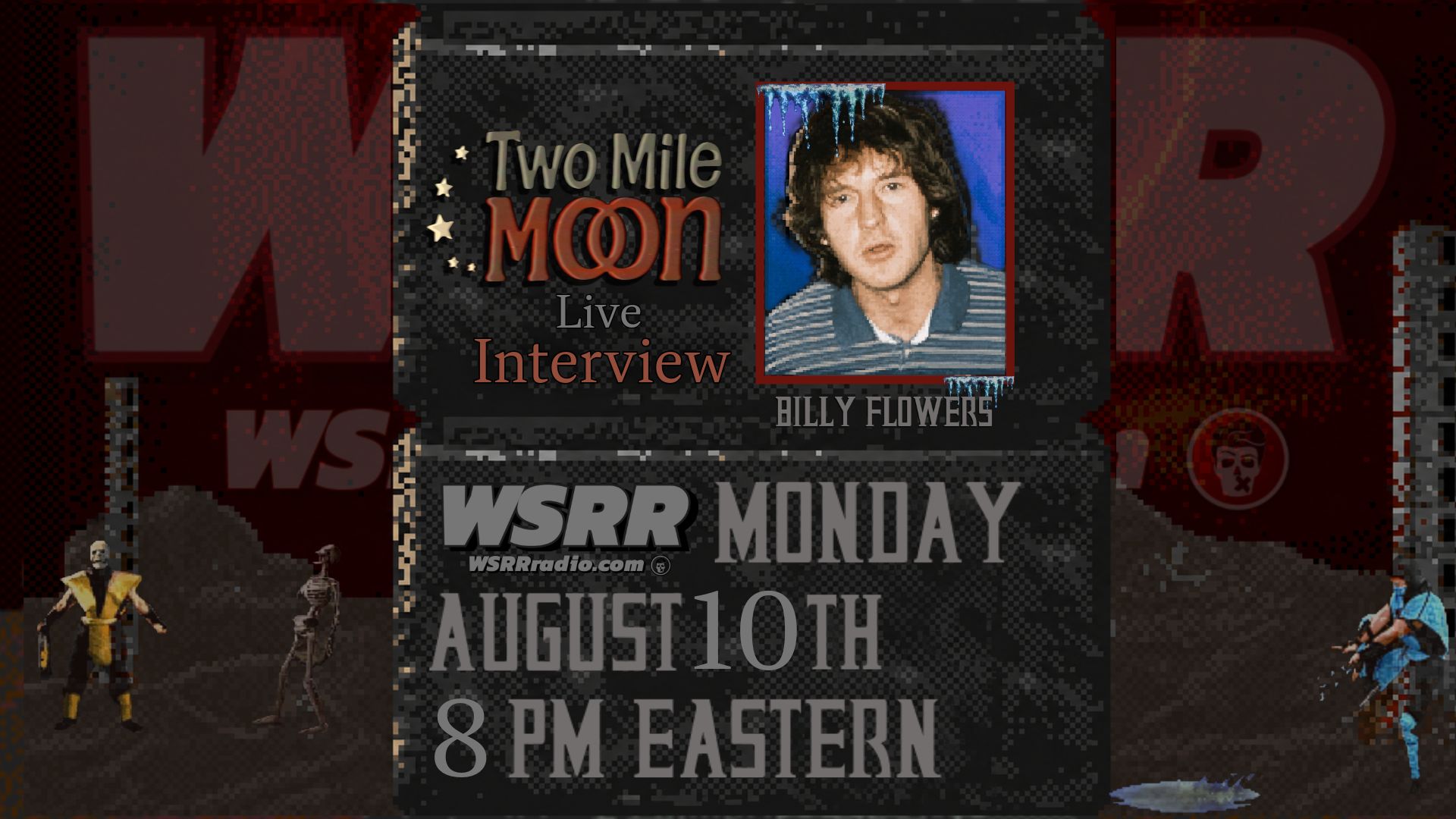
A WSRR Radio Exclusive live interview with Billy Flowers of Two Mile Moon

Billy Flowers joins Style LIVE on air in an exclusive interview discussing his Cryo-stasis, Ego Death Metal, Lyric Crafting, Production, and the importance of the local music scene! Check out the full interview below; be sure to check out Two Mile Moon today, and listen on WSRR Radio

Interview from (08/10/26)


I Found Mambo No.4

I Think I Found the Only Copy of Mambo No. 4

WSRR Exclusive: Nic Stevens

A WSRR Radio Exclusive live interview with Nic Stevens!

Nic Stevens joins Style LIVE on air in an exclusive interview discussing the I’m Not Perfect tour, Booking gigs, Going Solo, and the importance of the local music scene! Check out the full interview below; be sure to check out Nic Stevens today, and listen on WSRR Radio

Interview from (06/13/26)


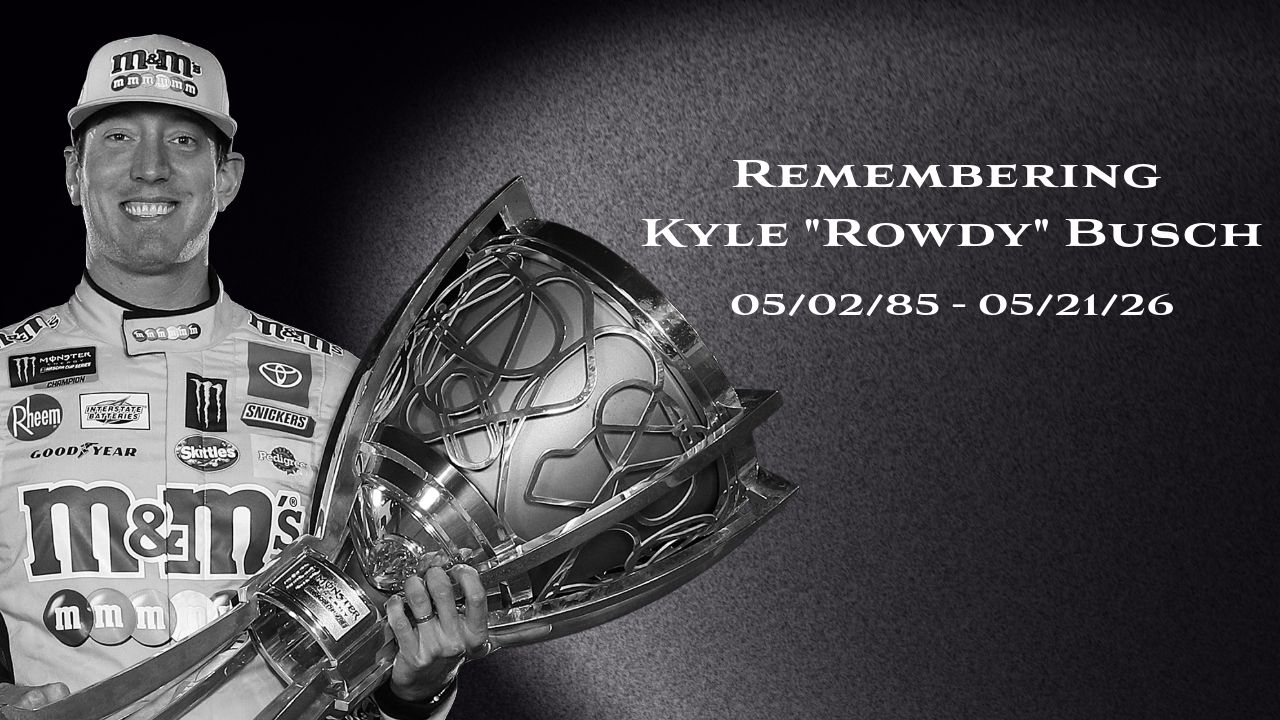
Remembering Kyle Busch: NASCAR’s Last Great Heel

Kyle Busch tragically passed away on May 21st, 2026, as initially reported by NASCAR

Few drivers in modern NASCAR history were as talented, controversial, dominant, and unforgettable as Kyle Busch. To some fans, he was the arrogant villain who always had something to say. To others, he was the fiercest pure racer of his generation, a driver willing to race anything with four wheels at any track, any night of the week. Love him or hate him, NASCAR was never boring when Kyle Busch was around.

From his early days as a teenage prodigy to becoming the face of Toyota’s rise in NASCAR, Busch built one of the most important careers the sport has ever seen. His story was one of raw talent, public controversy, redemption, and longevity. In many ways, he carried NASCAR through one of its most difficult modern eras while becoming one of the defining stars of the 2000s and 2010s.

The Start of “Rowdy”

Born in Las Vegas, Nevada, Kyle Busch was introduced to racing at an incredibly young age. Following in the footsteps of his older brother Kurt Busch, Kyle began racing go karts before moving into Legends cars and late models as a teenager. His talent became obvious almost immediately. Busch drove with aggression, confidence, and a level of car control that stood out even among NASCAR’s rising stars.

Because he was too young to legally compete in certain NASCAR events at first, Busch developed a reputation before he even reached the Cup Series. He was fearless and occasionally reckless, but undeniably fast. That aggressive style earned him the nickname “Rowdy,” a nod to the character Rowdy Burns from the movie Days of Thunder.

Rookie Sensation at Hendrick Motorsports

Busch made his NASCAR Cup Series debut in 2004, driving for Hendrick Motorsports, replacing the retiring Terry Labonte in the iconic No. 5 Chevrolet. At only 19 years old, Busch instantly showed flashes of brilliance.

In 2005, during his first full Cup season, he won twice and captured NASCAR Rookie of the Year honors. His breakout moment came at California Speedway, where he became, at the time, the youngest winner in Cup Series history. NASCAR had found its next superstar, even if fans were not sure yet whether they wanted to cheer for him or boo him.

Busch’s talent at Hendrick was unquestionable, but his personality quickly made him one of the sport’s most polarizing figures. He clashed with drivers, argued with media members, and openly showed frustration when things went wrong. At a time when NASCAR still had many corporate, polished personalities, Busch felt raw and emotional.

Even during those early years, many veterans viewed Busch as talented but immature. His aggressive driving style and emotional outbursts created tension throughout the garage, but they also made him impossible to ignore.

Becoming the Face of the No. 18

In 2008, Busch made the move that would define his career, joining Joe Gibbs Racing to drive the famous No. 18 Toyota. The switch shocked many fans. Toyota was still relatively new in NASCAR and remained unpopular among traditional audiences. Busch quickly became the perfect centerpiece for the manufacturer’s rise.

At Joe Gibbs Racing, Busch evolved from talented young driver into one of the most dominant racers NASCAR had ever seen. He won everywhere. Short tracks, intermediates, superspeedways, road courses, dirt races, trucks, Xfinity cars. If there was a steering wheel involved, Kyle Busch believed he could win in it.

His statistics became staggering. He eventually broke records for wins in the Xfinity Series and Truck Series while adding more than 60 Cup Series victories and two Cup championships in 2015 and 2019.

The 2015 title especially defined his toughness. Busch suffered devastating leg injuries during the season opener at Daytona after crashing into an exposed wall. Many thought his season was over. Instead, he returned months later, won multiple races, and captured the championship in one of the most remarkable comeback stories in NASCAR history.

Carrying NASCAR on his back

NASCAR’s popularity declined significantly from its peak in the mid 2000s into the late 2010s. Ratings fell, legendary stars retired, and the sport searched for its next generation of household names after the departures of drivers like Jeff Gordon, Tony Stewart, and Dale Earnhardt Jr..

During that period, Kyle Busch became one of the few drivers who could still consistently generate headlines, emotions, and mainstream attention. Fans either loved him or despised him, but they always reacted to him. NASCAR desperately needed personalities during an era where many drivers became increasingly media trained and cautious.

Busch embraced the role of villain in a way that felt authentic. He did not hide his anger after bad finishes. He openly criticized competitors and NASCAR itself. He celebrated aggressively when he won. That emotional honesty kept him relevant and made him one of the last true “must watch” personalities in stock car racing.

In many ways, Busch carried the old spirit of NASCAR into the modern era. He represented the rough edges and emotional intensity that many longtime fans missed.

Rivalries, Controversy, and Iconic Interviews

Kyle Busch’s career cannot be discussed without mentioning the rivalries. He feuded with nearly every major driver of his era at one point or another. His clashes with Kevin Harvick, Brad Keselowski, Joey Logano, and others became legendary moments in modern NASCAR history.

Yet underneath the controversy, there was often respect. Busch raced aggressively because he expected greatness from himself and others. Many drivers who fought with him eventually admitted they respected his talent and intensity.

That competitive fire also produced some of NASCAR’s most iconic interviews and quotes. Whether he was angrily declaring “Everything is great!” after a frustrating race or delivering sarcastic one liners during interviews, Busch became endlessly quotable. His interviews often spread across social media because fans knew anything could happen when a microphone was placed in front of him.

Unlike many athletes who tried to hide emotion, Busch wore every feeling on his sleeve. That honesty made him compelling television for nearly two decades.

Fans booed him relentlessly for years, but Busch eventually leaned into it. He understood the role he played within NASCAR. Every sport needs heroes, but every sport also needs villains. Busch became one of the last great villains NASCAR ever produced, and the sport was more entertaining because of it.

A New Chapter at Richard Childress Racing

After a long and historic run with Joe Gibbs Racing, Busch made another major career shift in 2023 by joining Richard Childress Racing. Many questioned whether Busch still had elite speed after several frustrating seasons at Gibbs.

Instead, Busch immediately revived Richard Childress Racing’s competitiveness. He won early with the team and brought energy, attention, and credibility back to one of NASCAR’s most historic organizations.

The move also reminded fans just how adaptable Busch truly was. He had now succeeded across multiple eras of NASCAR, different manufacturers, changing playoff systems, and several generations of race cars. Even late into his career, Busch remained one of the most naturally gifted drivers in the garage.

At RCR, Busch’s role within the sport began to evolve. The rebellious young driver who once angered veterans had become one of NASCAR’s established leaders and elder statesmen.

As time went on, Busch also began speaking more openly about frustrations with Richard Childress Racing’s performance and equipment. While earlier in his career fans often viewed Busch’s complaints as arrogance or immaturity, the reaction during his RCR years felt very different. Many fans believed Busch was still capable of competing for championships if he had top tier equipment beneath him.

Instead of booing him, longtime NASCAR fans increasingly rallied behind him. Even fans who once disliked Busch began hoping to see him get one final opportunity with elite equipment before the end of his career. Discussions constantly emerged about where Busch could potentially go next and whether another organization could return him to championship form.

For the first time in years, Busch was no longer viewed primarily as NASCAR’s villain. He had become something unexpected: a respected veteran racer that fans wanted to see back on top one more time.

The Hocevar Rivalry: A Full Circle Moment

That changing role became especially clear during Busch’s rivalry with young driver Carson Hocevar. Hocevar entered NASCAR carrying many of the same traits Busch once had as a rookie. He was aggressive, emotional, fearless, and willing to race veterans hard regardless of reputation.

The similarities were impossible to ignore.

Busch publicly criticized Hocevar’s driving style at times, frustrated by the young driver’s willingness to push boundaries and make enemies early in his career. Yet many fans recognized the irony immediately. Years earlier, veterans had said the exact same things about Kyle Busch himself.

The rivalry created one of the most fascinating storylines of Busch’s later career because it represented a generational mirror. Busch was now experiencing NASCAR from the opposite side of the equation. The young rebel had become the veteran defending his place against the next wave.

In many ways, the dynamic resembled the relationship between Jeff Gordon and Dale Earnhardt during the 1990s. Gordon arrived as the flashy young star changing the culture of NASCAR, while Earnhardt represented the established, intimidating veteran of the old guard. Though their rivalry contained tension, it was ultimately built on mutual respect.

The Busch and Hocevar rivalry carried that same energy. Busch may have criticized Hocevar, but there was an understanding underneath it all. Great talents often arrive in NASCAR by upsetting people first. Busch knew that better than anyone.

It became one of the most poetic full circle moments of his career.

The Legacy of Kyle Busch

Kyle Busch finished his career as one of the greatest and most influential drivers NASCAR ever produced. His accomplishments alone guaranteed his place in history, but his personality ensured he would never be forgotten.

He was NASCAR’s villain, entertainer, outspoken critic, and relentless competitor all at once. He made fans angry. He made fans cheer. Most importantly, he made fans feel something.

In an era where sports personalities increasingly became filtered and cautious, Kyle Busch remained unapologetically himself. That authenticity made him one of the defining figures of modern NASCAR and one of the last true larger than life stars the sport ever had.

Beyond the championships, victories, rivalries, and unforgettable moments, Kyle Busch will ultimately be remembered most by those closest to him. He is survived by his wife, Samantha Busch, their son, Brexton Busch, their daughter, Lennix Busch, and his brother, Kurt Busch, who shared alongside him one of the most unique family legacies in NASCAR history.

While fans will remember the wins, the interviews, the rivalries, and the intensity he brought to the racetrack every weekend, those closest to him will remember the man behind the helmet.

All of our prayers are with the Busch family, friends, team members, and loved ones during this difficult time.

-Style

WSRR Exclusive: Gatlen Gunn

A WSRR Radio Exclusive live interview with Eli Sledge & Gatlen Gunn!

Eli Sledge & Gatlen Gunn join Style on air in an exclusive interview discussing their brand new album coming up, Musical influences, Growth in music, and the community that makes up Tennessee’s local music scene! Check out the full interview below, be sure to check out Gatlen Gunn today, and listen on WSRR Radio

Interview from (05/02/26)


WSRR Exclusive: Echo Pilot (preshow)

A WSRR Radio Exclusive interview with Echo Pilot

Live in studio, Echo Pilot joins Style in an exclusive interview to discuss their upcoming show in Cleveland (04/30/26), their Spring Tour, Local Music, and more! Check out the full interview below, be sure to stream Notion, and tune in to WSRR Radio!

Interview from (04/29/26)


WSRR Exclusive: Wasted Society

A WSRR Radio Exclusive live interview with Cleveland’s own Wasted Society on their Debut Album!

Wasted Society stops by the WSRR Studio to join Style live on air in an exclusive interview discussing their brand new album, Musical influences, Growth in music, and the community that makes up Cleveland’s local music scene! Check out the full interview below, be sure to check out Wasted Society today, and listen on WSRR Radio

Interview from (04/03/26)